

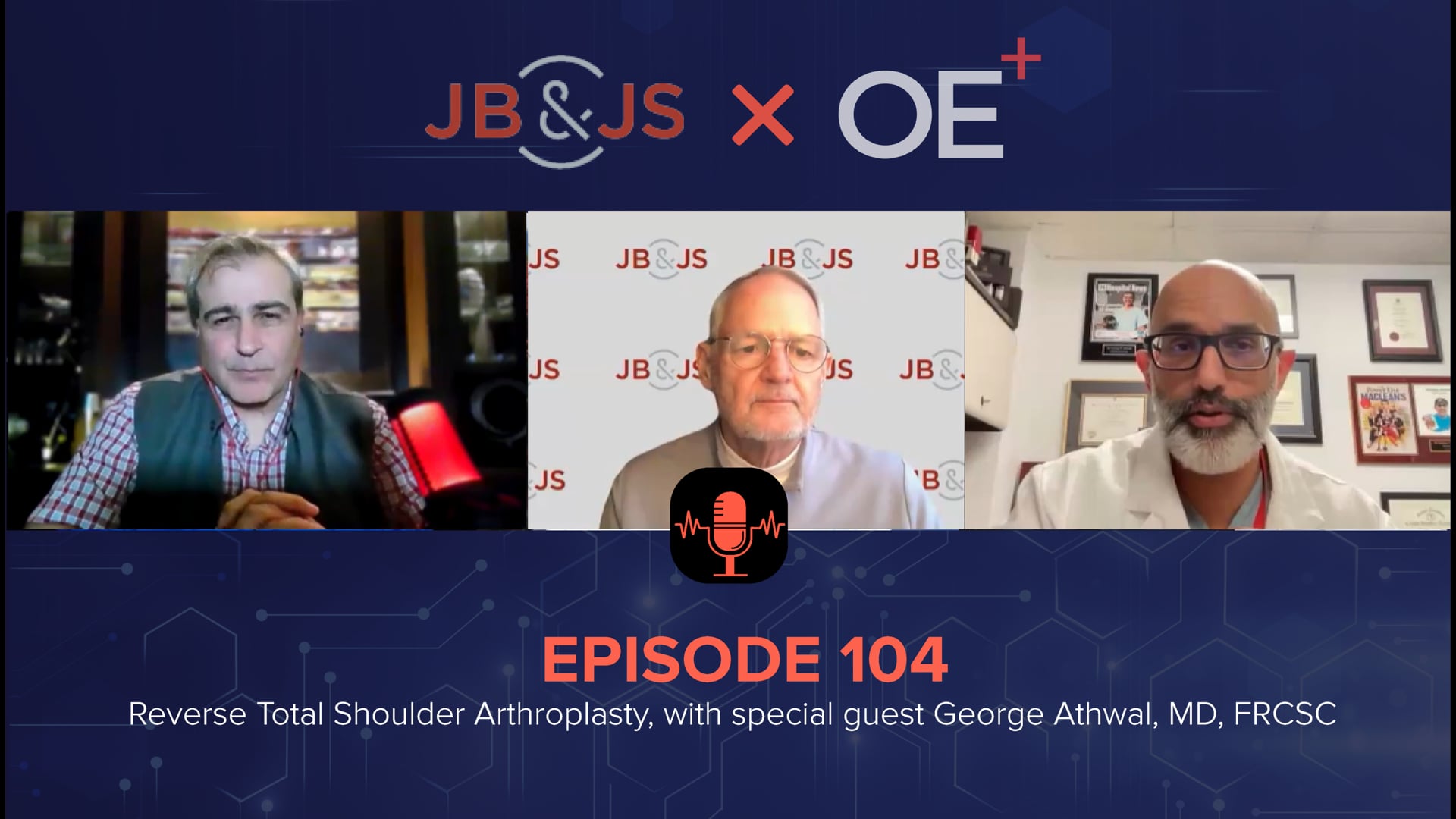
Reverse Total Shoulder Arthroplasty, with special guest George Athwal, MD, FRCSC.
Unlock this Podcast
You have access to 4 more FREE articles this month.
Click below to unlock and view this Videos
Unlock Now
Critical appraisals of the latest, high-impact randomized controlled trials and systematic reviews in orthopaedics
Access to OrthoEvidence podcast content, including collaborations with the Journal of Bone and Joint Surgery, interviews with internationally recognized surgeons, and roundtable discussions on orthopaedic news and topics
Subscription to The Pulse, a twice-weekly evidence-based newsletter designed to help you make better clinical decisions
Exclusive access to original content articles, including in-house systematic reviews, and articles on health research methods and hot orthopaedic topics
Or upgrade today and gain access to all OrthoEvidencecontent for as little as $1.99 per week.
Already have an account? Log in
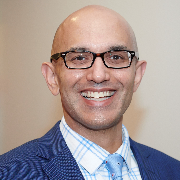
George Athwal
FRCSC
Professor, University of Western Ontario
View More
Reverse total shoulder arthroplasty (RTSA) has expanded dramatically as surgeons refine indications and understand its biomechanical advantages. This conversation traces its evolution from early constrained designs to the modern Grammont and lateralized philosophies, highlighting why RTSA now outpaces anatomic arthroplasty in complex cases—especially those with glenoid bone loss, cuff insufficiency, or instability. Technical demands, complication patterns, and the shifting learning curve are explored alongside emerging research needs, particularly in cuff-intact osteoarthritis. The episode also personalizes the discussion through reflections on academic impact and the value of maintaining creativity and balance beyond the operating room.

DISCLAIMER
This content found on this page is for informational purposes only and is not intended to be a substitute for professional medical advice, diagnosis, or treatment. If you require medical treatment, always seek the advice of your physician or go to your nearest emergency department. The opinions, beliefs, and viewpoints expressed by the individuals on the content found on this page do not reflect the opinions, beliefs, and viewpoints of OrthoEvidence.
0 of 4 monthly FREE articles unlocked